

Debt isn’t automatically bad. For many people, tool ito para ma-achieve ang goals nila gaya ng new home, car, o bagong business. Pero nagiging “bad” o mabigat ang utang ‘pag naipon na ‘to at mahirap nang magbayad on-time and in full.
That’s why it’s important to be a responsible borrower and understand kung pasok ba talaga ang monthly payments mo sa iyong current budget at financial situation. Iwas din ito sa stress na karaniwang naa-associate sa bad debt.

So ano ba ang dapat gawin para maging responsible borrower? It starts with planning ahead, understanding your limits, and building healthy financial habits.
First, get familiar with your Debt Burden Ratio
Your Debt Burden Ratio or DBR is your total monthly loan payments or current debts divided by your gross monthly income. Isa ito sa tinitignan ng mga bank o financial institutions ‘pag nagre-review ng loan application. ‘Pag mas mababa ang DBR, ibig sabihin ay mas may capacity ka na magbayad ng additional loan. 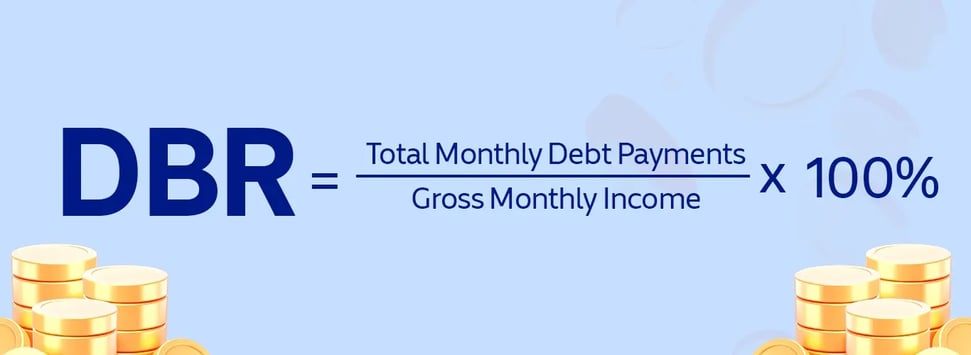
Here’s a sample computation. In this scenario, si Borrower ay may ongoing car loan, and they’re considering getting a home loan. Iche-check muna nila ang DBR nila with their preferred loan term.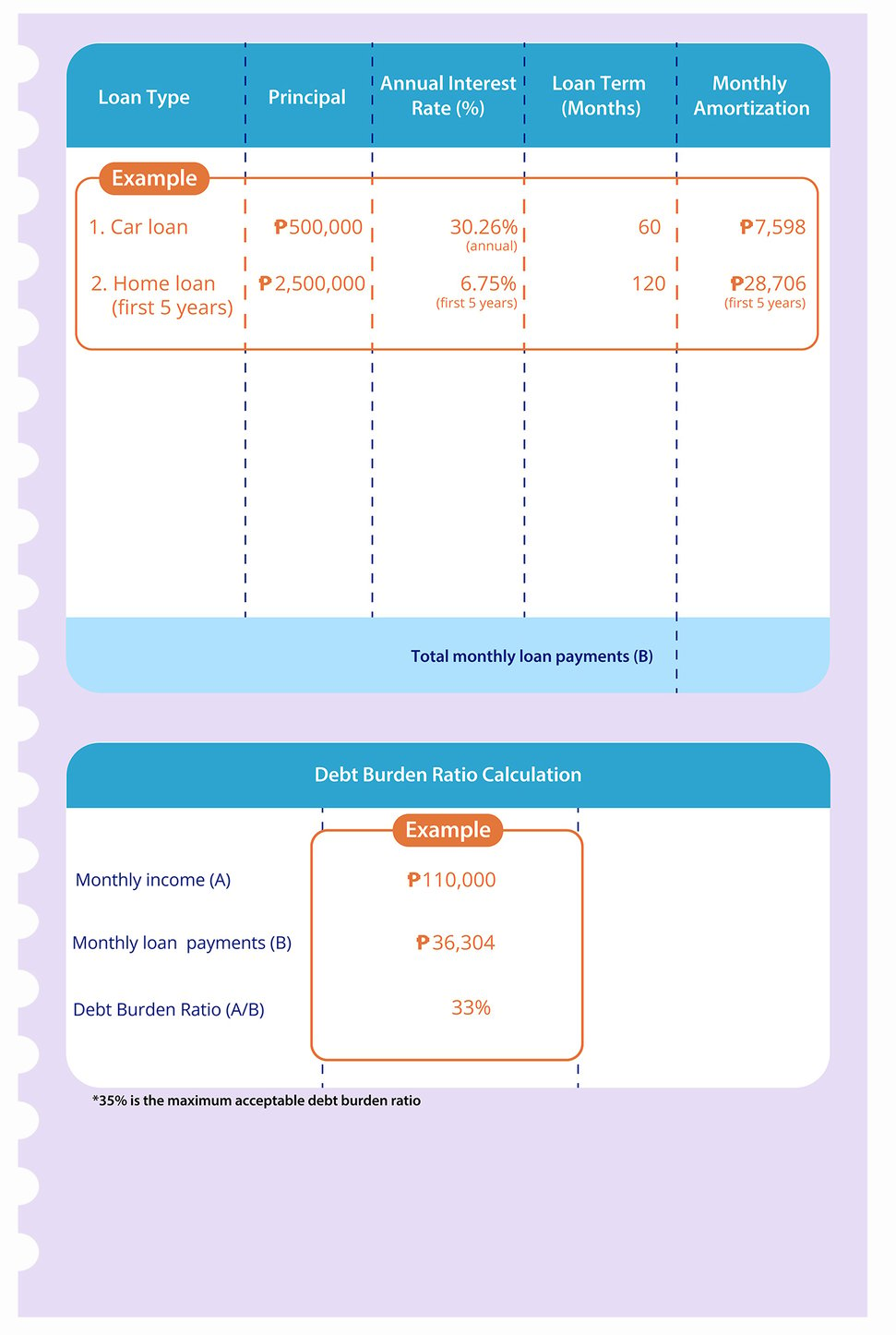
Sabi ng ibang experts, ideal na 35% and below ang DBR. 33% ang DBR dito sa sample computation, which suggests that they may pay for a home loan comfortably with their current monthly income.
Knowing your DBR can give you a realistic view of your financial capacity. Pwede mo itong i-check para malaman kung financially ready ka for a new loan or a big purchase.
Recognize and address bad financial habits
Debt only becomes stressful over time kung ‘di na ito nama-manage at tuloy-tuloy lang ang bad money habits, like:
- Overspending
- Missing payments
- Lifestyle pressure
- Emotional spending
- Habitually borrowing money to repay debt
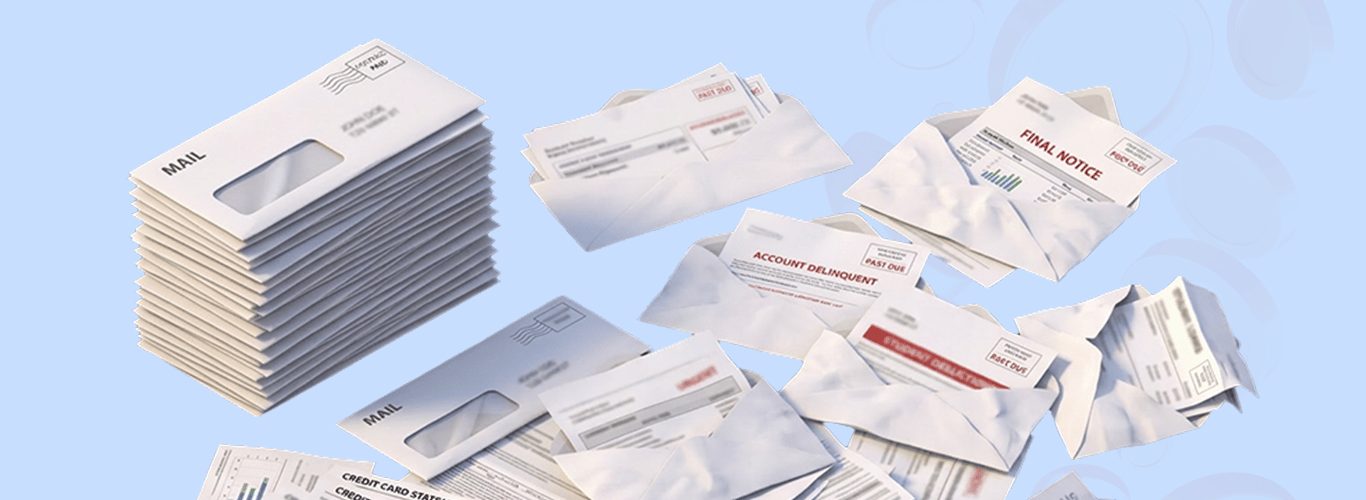
Mag-ingat at maging mindful sa mga habits na ‘to kasi they can easily add up and build unnecessary debt. Keep track of your budget and maintain a low DBR before making another big purchase.
Build good financial habits
To be a responsible borrower, kailangan ng discipline at consistency through the entire loan term. This includes habits like:
-
Managing expenses and staying within budget
-
Paying in full and on-time every month
-
Maximizing perks, rewards, and cashback offers
-
Setting aside money for savings and investments
-
Maintaining a low DBR
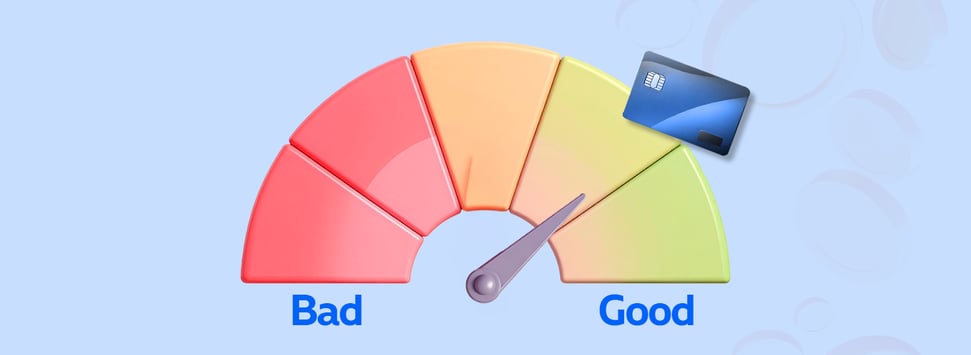
Nakakadagdag din ang mga ito sa positive credit score, which can give you access to better loan terms to fund your home, car, or business goals. Plus, you maintain your peace of mind as you make your monthly payments.
When you remove bad financial habits, you remove the stress of debt. Maging responsible borrower at i-manage ang iyong spending habits at DBR. This transforms debt into a tool that helps you achieve your goals sooner rather than later.
Read more about improving your financial habits from the free Earnest E-book.
Disclaimer: This article is for general information purposes and does not constitute formal financial advice. Always do further research before making financial decisions and seek professional advice from a certified personal finance counselor. For more information, read the Earnest disclaimer here.