The excitement of planning a vacation—whether it’s a quick weekend getaway or a dream international trip—can sometimes make us drop our guard.
Unfortunately, fraudsters exploit this excitement through Travel Scams, tricking eager travelers into paying for fake vacations, non-existent travel packages, or services that look nothing like what was advertised.
To ensure your next holiday is memorable for the right reasons, here is everything you need to know about how this modus works and how to protect your travel funds.
How the modus works
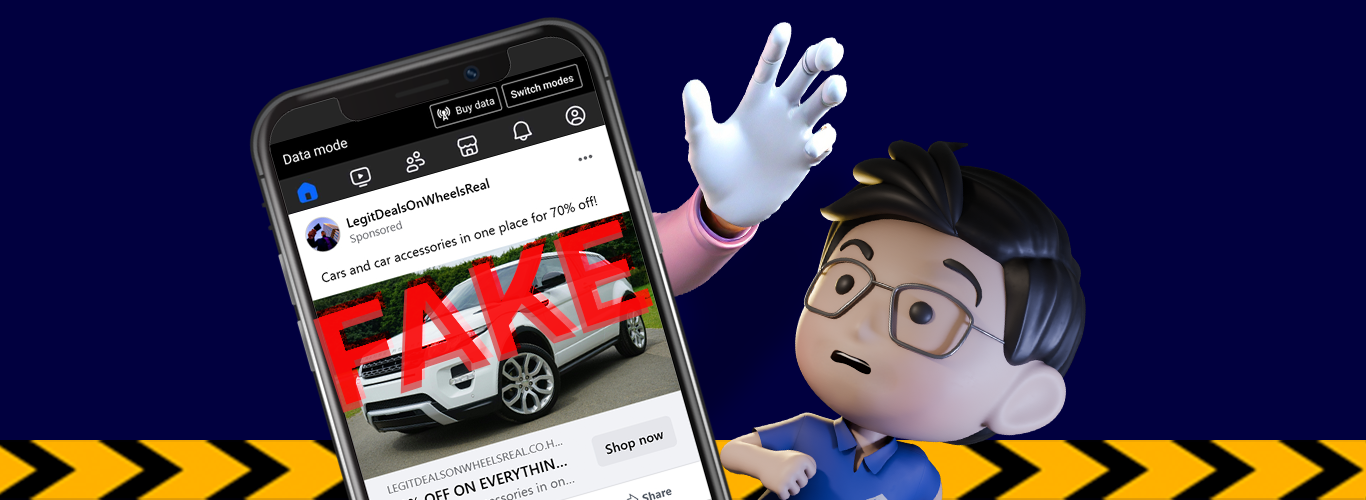
In a typical travel package scam, fraudsters pose as travel agents, tourism partners, or representatives of popular booking platforms. They lure unsuspecting travelers by promoting heavily discounted international trips, luxury hotel stays, or limited-seat holiday bundles.
To make their pitch sound highly credible, scammers often share edited itineraries, fake confirmations, and screenshots of fabricated customer testimonials. Some even build polished websites that completely disappear once they’ve collected enough payments.
Fraudsters cast their nets across several digital channels:
-
Fake Travel Websites: Creating deceptive websites or posting fraudulent offers directly on legitimate travel platforms to trap travelers.
-
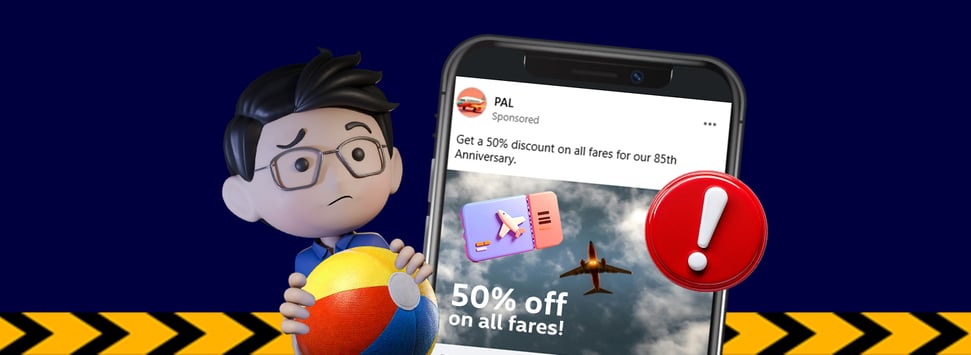
Social Media: Advertising irresistible deals on popular platforms to easily connect with potential victims.
-
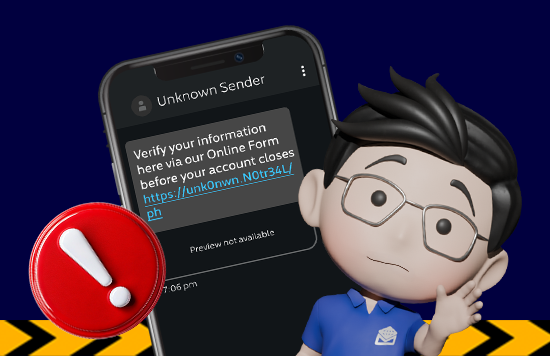
Email: Sending unsolicited emails packed with travel deals that request your personal information or upfront payments.
-
Messaging Apps: Conversing directly through chat apps to build artificial trust before exploiting you financially.
Common types of travel scams
Before you book, make sure you aren't falling for one of these common variations:
- Travel Package Scams: Scammers offer deeply discounted travel packages requiring upfront payment, only for the trip details to be completely false or significantly different from what was promised.
- Fake Vacation Rentals: Attractive online listings for rental properties that don't exist or aren't available, designed strictly to steal your deposit or full payment.
- Free Vacation Scams: You are told you have "won" a free vacation, but you must first pay hidden fees, taxes, or processing costs to claim it.
- Fake Airline Tickets: Fraudsters sell counterfeit airline tickets, leaving you stranded at the airport without a valid reservation.
- Phishing Scams: Deceptive emails pretending to be from reputable travel brands ask you to click links or download attachments, which secretly install malware or steal sensitive information.
🚩 Red flags to watch out for
Unlike legitimate travel deals, scams rely on high-pressure psychological tactics. Always stay alert if you encounter any of these red flags:
- Too-Good-To-Be-True Prices: Deals that promise high-end luxury vacations at unbelievably low prices are almost always scams.
- Pressure to Act Quickly: Scammers use countdown timers or claim you've been "specially selected" to create a sense of panic, demanding immediate payment before the deal expires.
- Vague Travel Details: The agent provides unclear, inconsistent, or overly broad trip details and itineraries.
- Unsolicited Offers: Unexpected emails, messages, or calls claiming you won a trip out of nowhere.
- Unprofessional Communication: Poor grammar, spelling errors, and unprofessional or look-alike sender email addresses are dead giveaways.
Preventive tips for a safe booking
You can easily protect your hard-earned money by practicing these standard travel booking habits:
- Research and Verify: Always check a travel agency's legitimacy by auditing official websites, independent customer reviews, and verified contact information.
- Verify Listings Directly: Confirm that a specific travel package or hotel listing exists by visiting the official website of the airline or hotel company, or contacting them directly through their publicly listed numbers.
- Check the URL: Before entering any personal or financial details, always confirm you are on the company's secure, legitimate website.
- Don't Click Links: Never click links embedded in unexpected emails or chat messages. Type the official address directly into your browser instead.
- Keep Secrets Safe: Never share sensitive personal data or financial information over the phone or on unverified chat platforms.
- Stay Vigilant: If a deal or package feels unrealistic, trust your gut, pause, and investigate further.
🛡️ Protect your journey
Real travel deals will never force you to make blind, high-pressure payment decisions. Keep your credentials private, book only through official channels, and verify every itinerary before you pay.
If you suspect that your Metrobank account details or cards have been compromised due to a travel scam, report it immediately by calling the Metrobank Contact Center at (02) 88-700-700 or domestic toll-free at 1-800-18-88-5775, or email us at customercare@metrobank.com.ph.